
Environmental Stewardship - Senior Corps: Big Green - Little Green Project
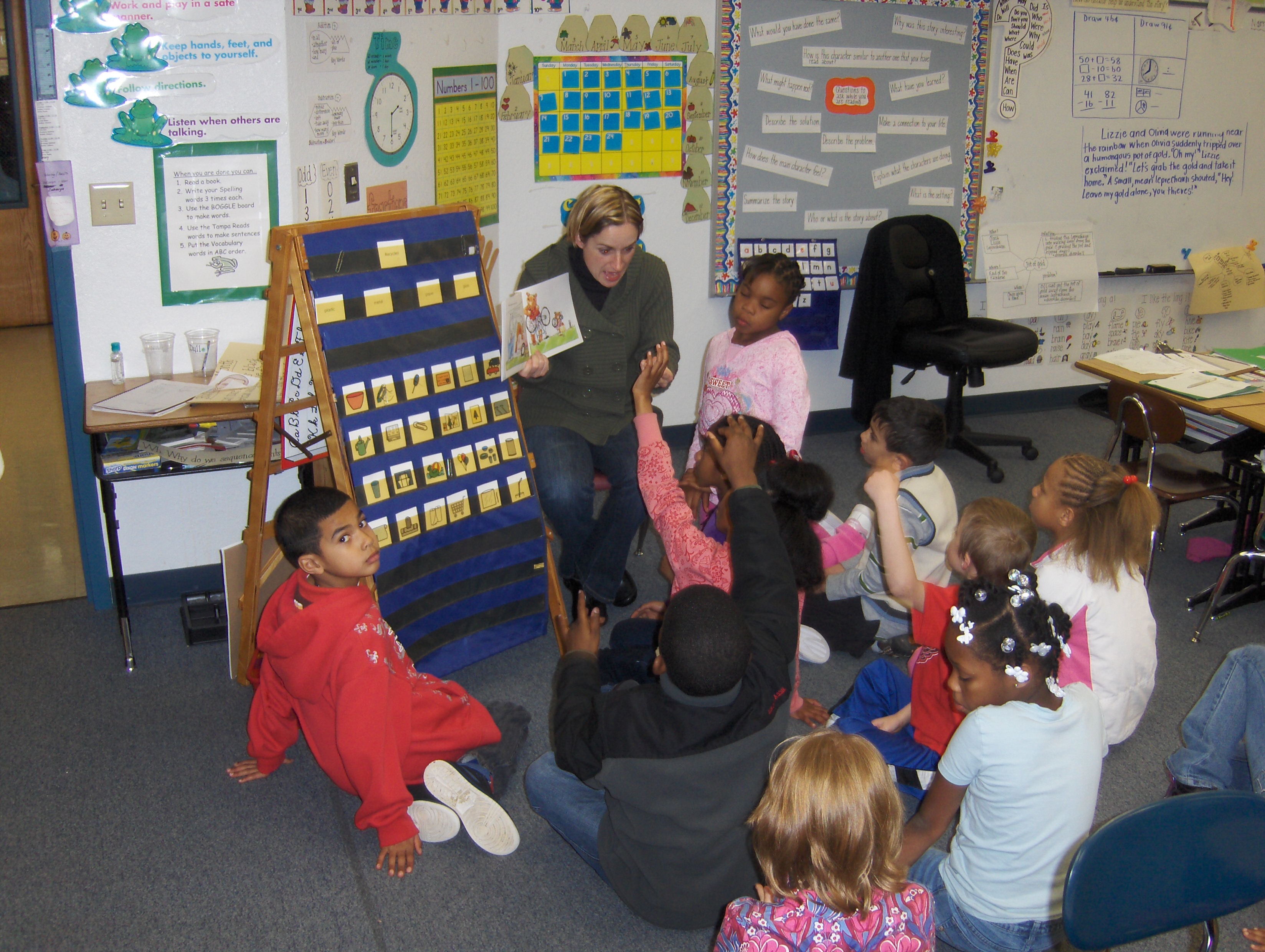
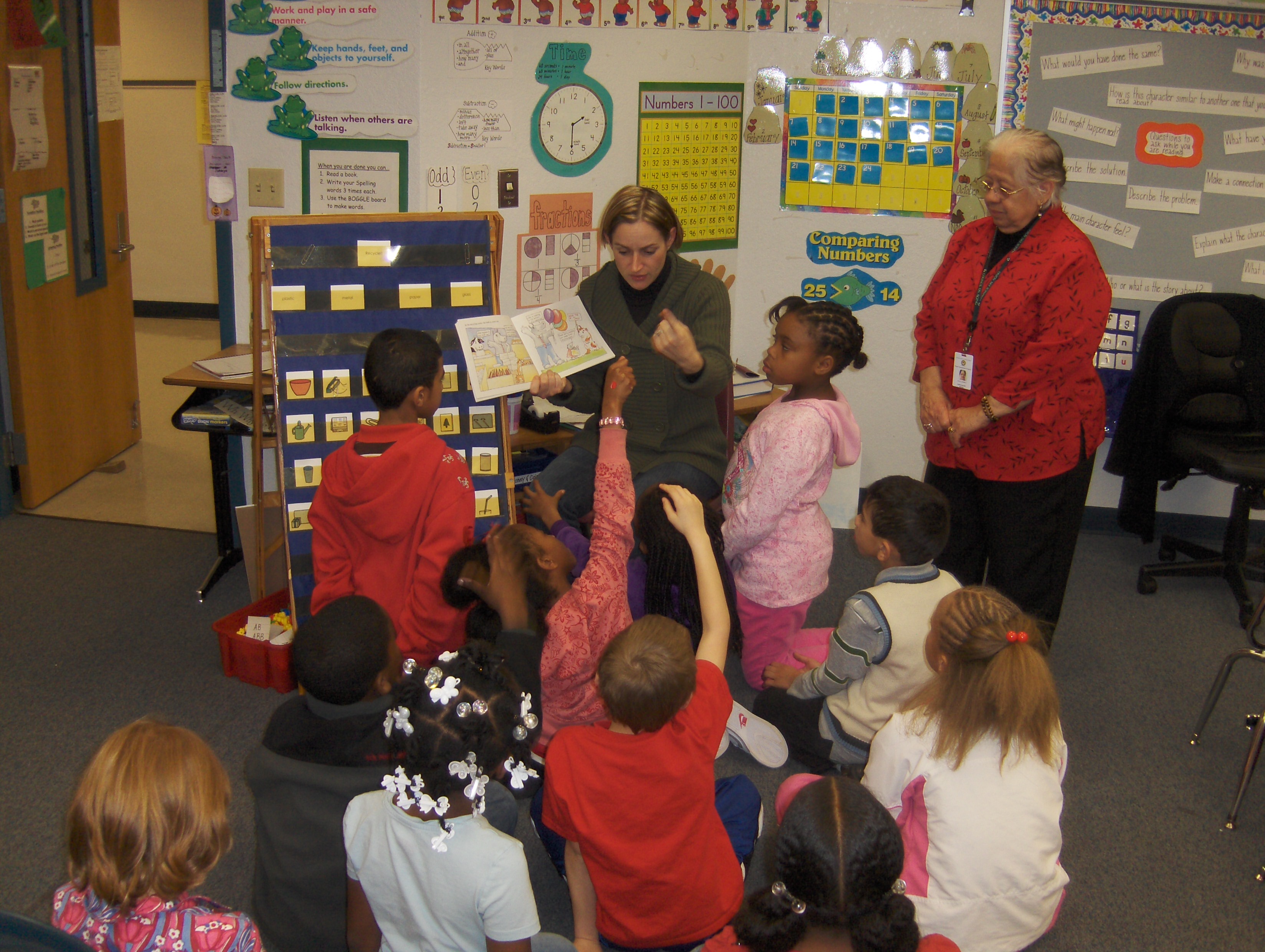
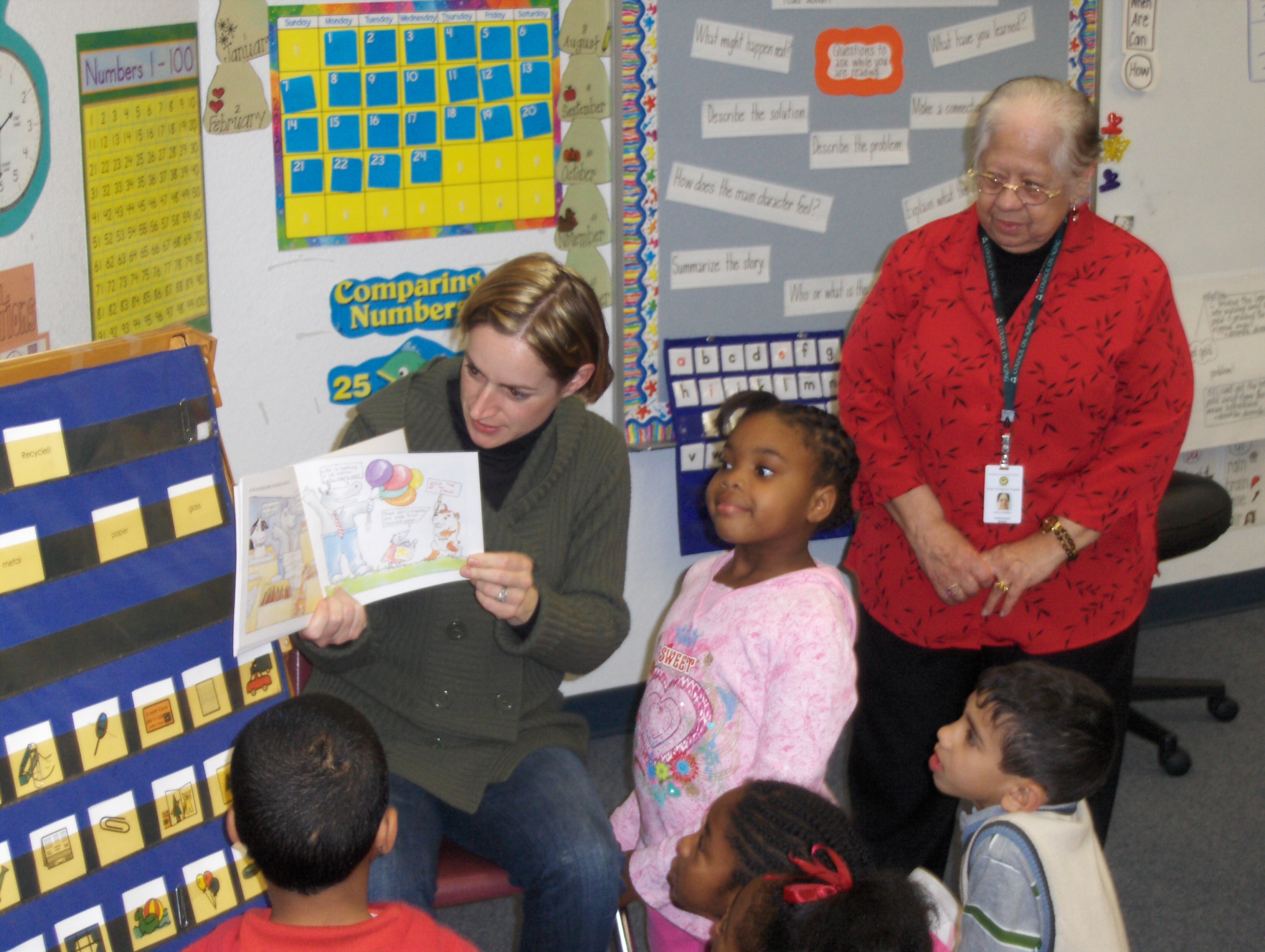
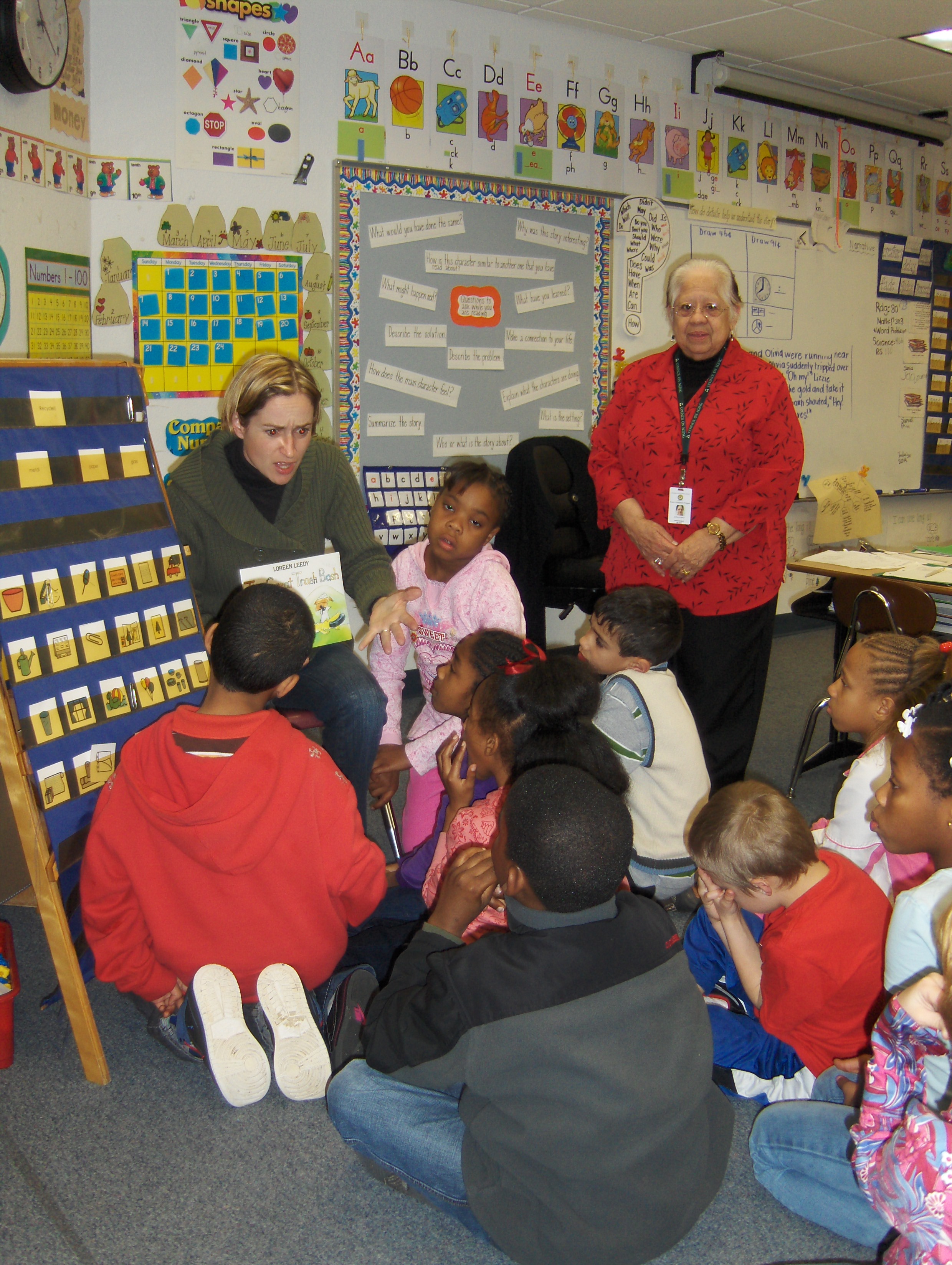
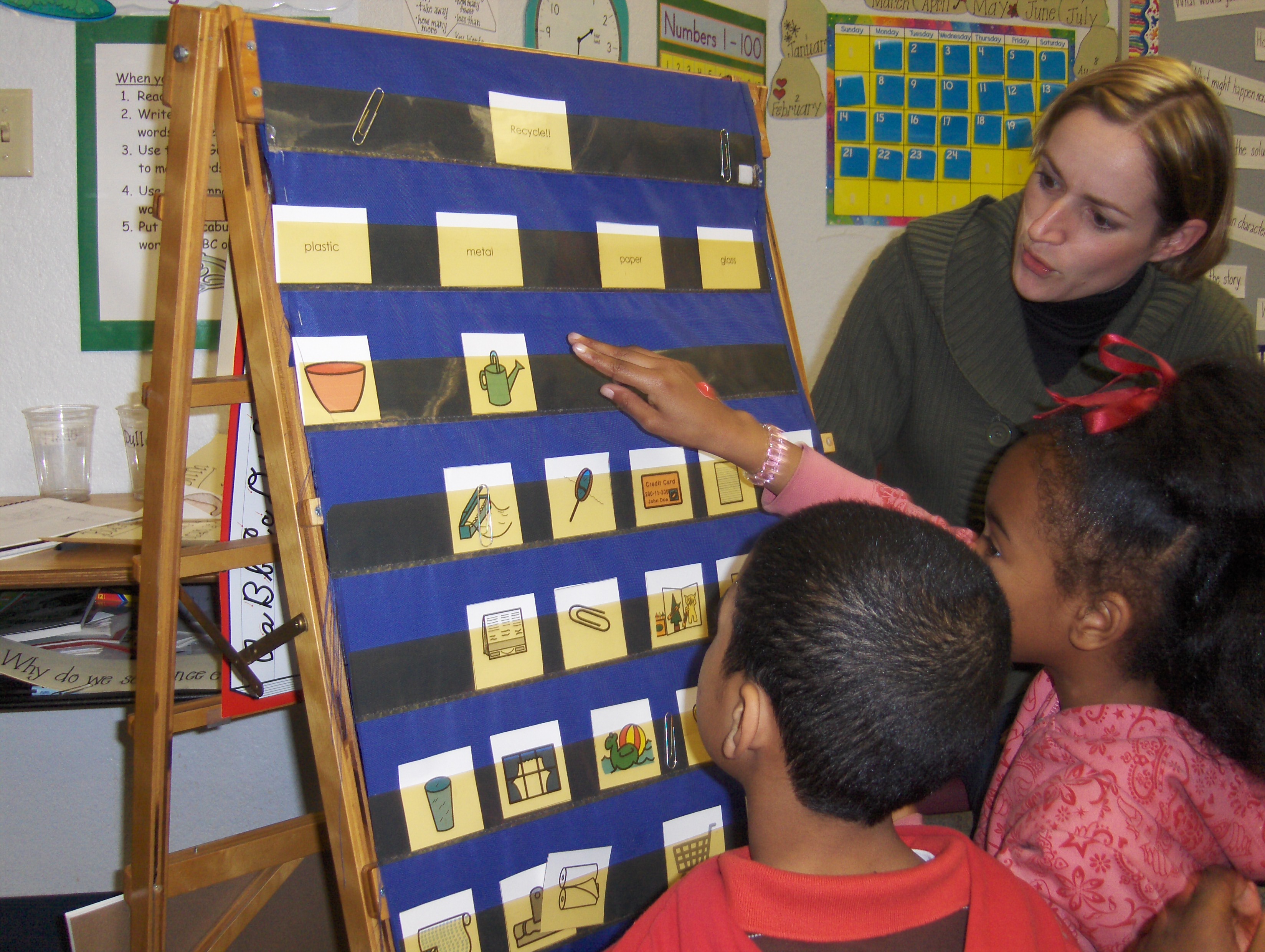
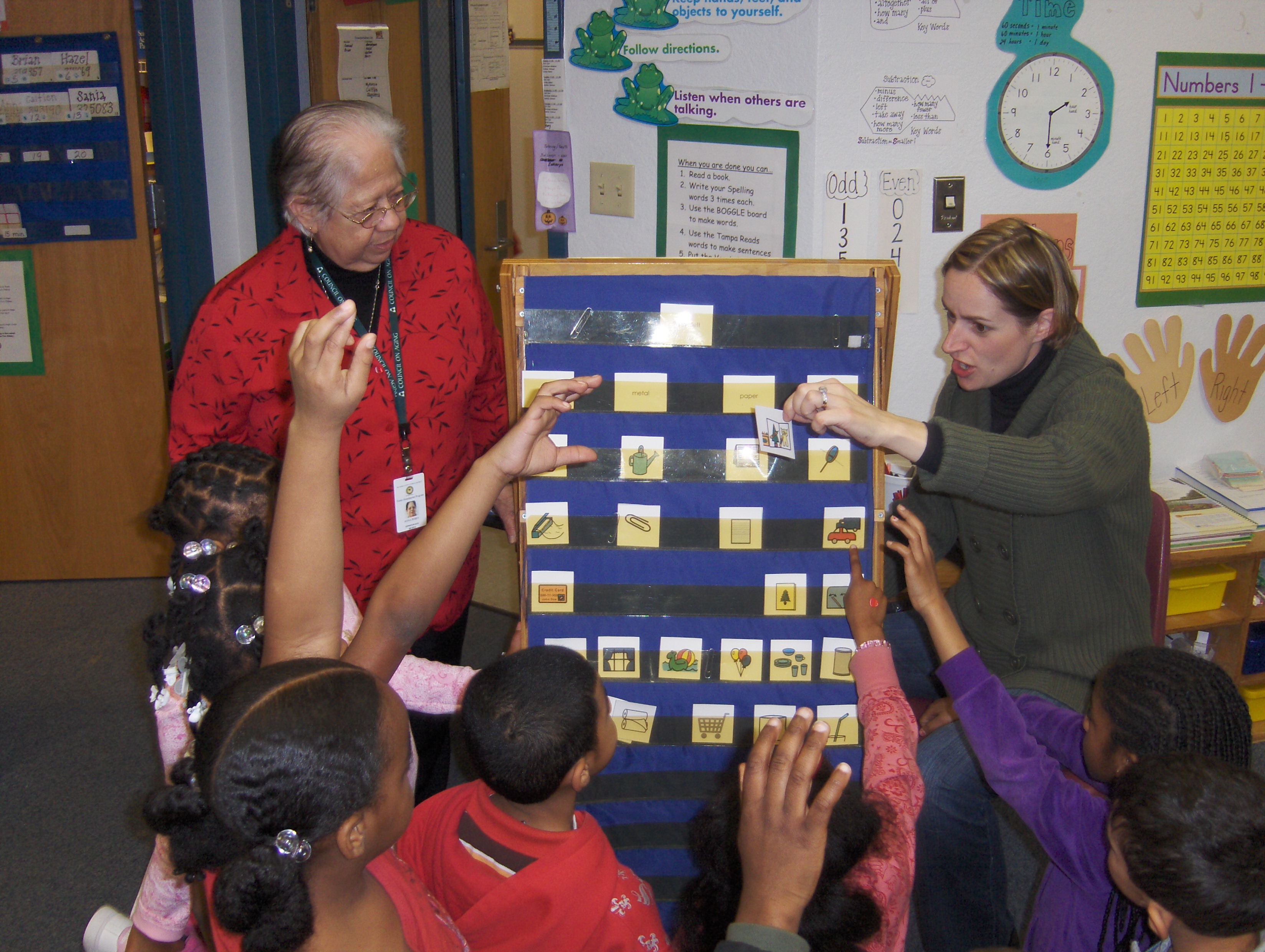
In 2010 the Council on Aging of West Florida received a $1,000 grant from International Paper Foundation (IPF) to fund The Big Green-Little Green project. Grant funds were used to purchase a “green” classroom kit of age appropriate books, activity guides, and supplies. The project collaborated with the local Manna Food Bank who donated seeds to add to the project kits. FGPs spent the summer while school was not in session learning from local experts what it means to live “green” and how to best convey that message to the children they serve. The FGP Supervisor met with principals and teachers to incorporate “green” topics into the work plans for each participating classroom. Teachers administered a pre-test at the beginning of the school year to gauge students’ knowledge of their environment. Children were engaged in fun activities that taught them how to reduce, reuse, and recycle. In addition, they learned about energy conservation, gardening, land and water pollution, toxic waste and global warming. The children’s participation in the sponsored project inspired them to develop additional projects in their classrooms and schools. O.J. Semmes Elementary School, located in a low-income area of Pensacola, really embraced the project. A second grade class planted a garden and a fifth grade class used what they learned about conservation to identify areas where energy was being wasted around their school. The students developed and implemented a plan to remedy the wasteful infractions. Teachers gave a post-test at the end of the school year on the effectiveness of the project. They evaluated if students had fun and responded to activities/presentations, if students retained the information, and if they were actively practicing what they learned. Teachers also evaluated the FGPs’ knowledge and presentation of the materials. The Big Green-Little Green project was important to our community because two generations learned to be environmental stewards practicing global responsibility and sharing their “green” knowledge with teachers, peers, families, and friends. Billy Johnson, a fifth grade teacher said, “I believe that the project is valuable because it forces our students to see beyond themselves and focus on a global sect and how we can all benefit from being globally responsible.” Outcomes of the project were: 1) FGPs developed an understanding of what it means to live “green” and were able to articulate topics learned to the children they serve 2) Educators were able to introduce “green” curriculum into the classroom that otherwise would not have been possible due to funding restrictions 3) Children learned about topics that are important to the preservation of our land, water, air, and overall environment. FGPs, educators, and students are now living a “green” lifestyle and lessening our footprint on the planet as a result of this project. IPF agrees that the project was successful and awarded $3,500 in April 2012 to extend the project to more schools in two counties.
0 comments