
Healthy Futures - Medical Education Resources Initiative for Teens
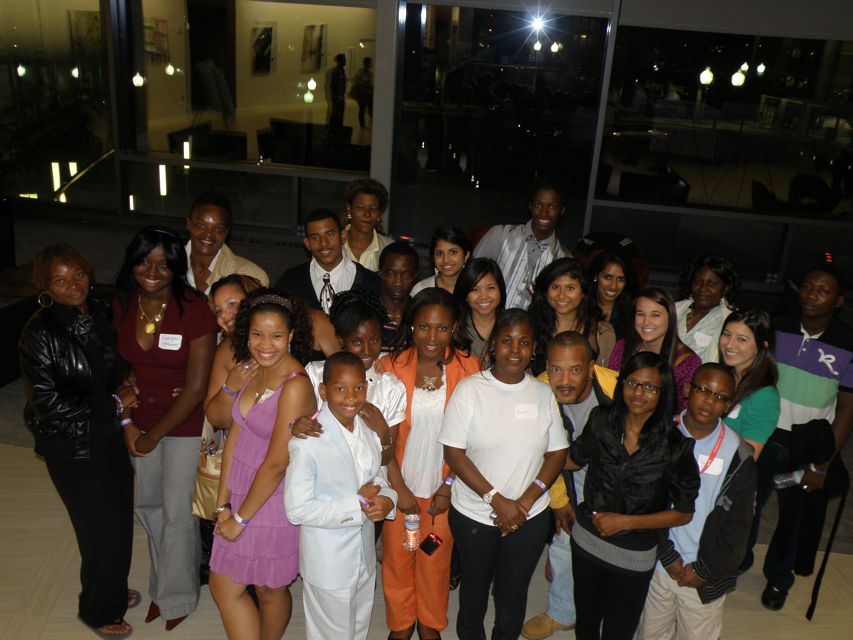
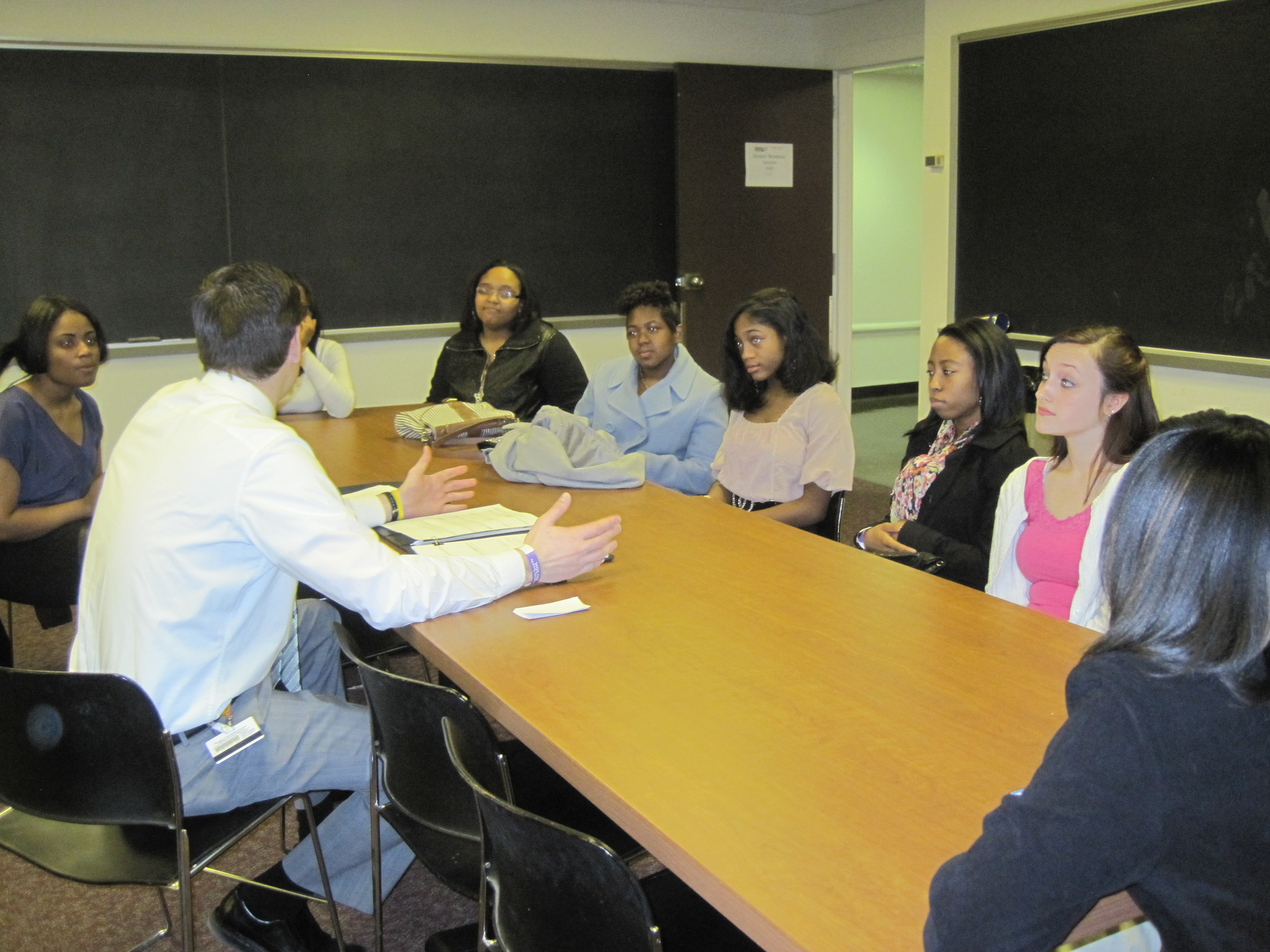
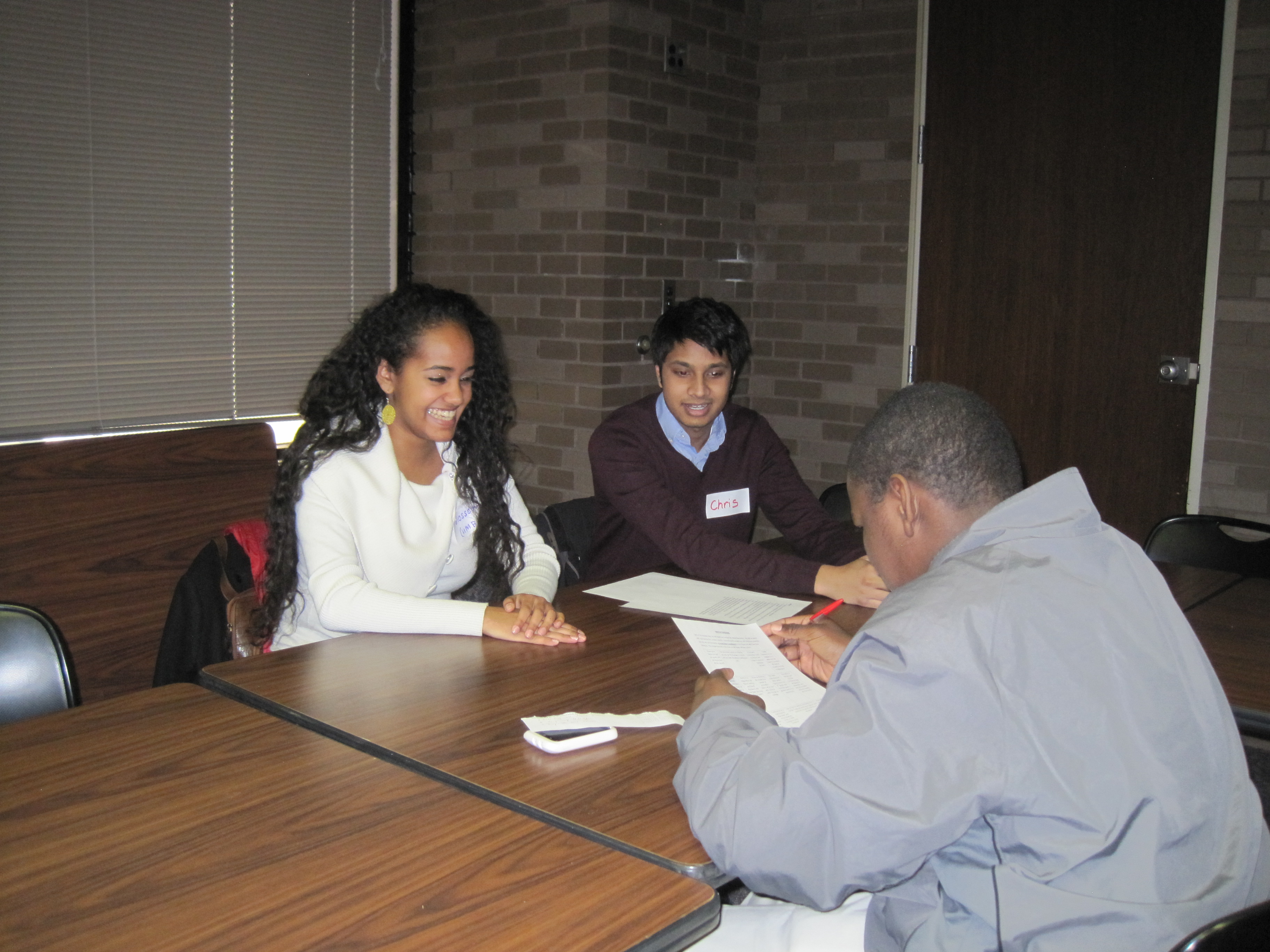
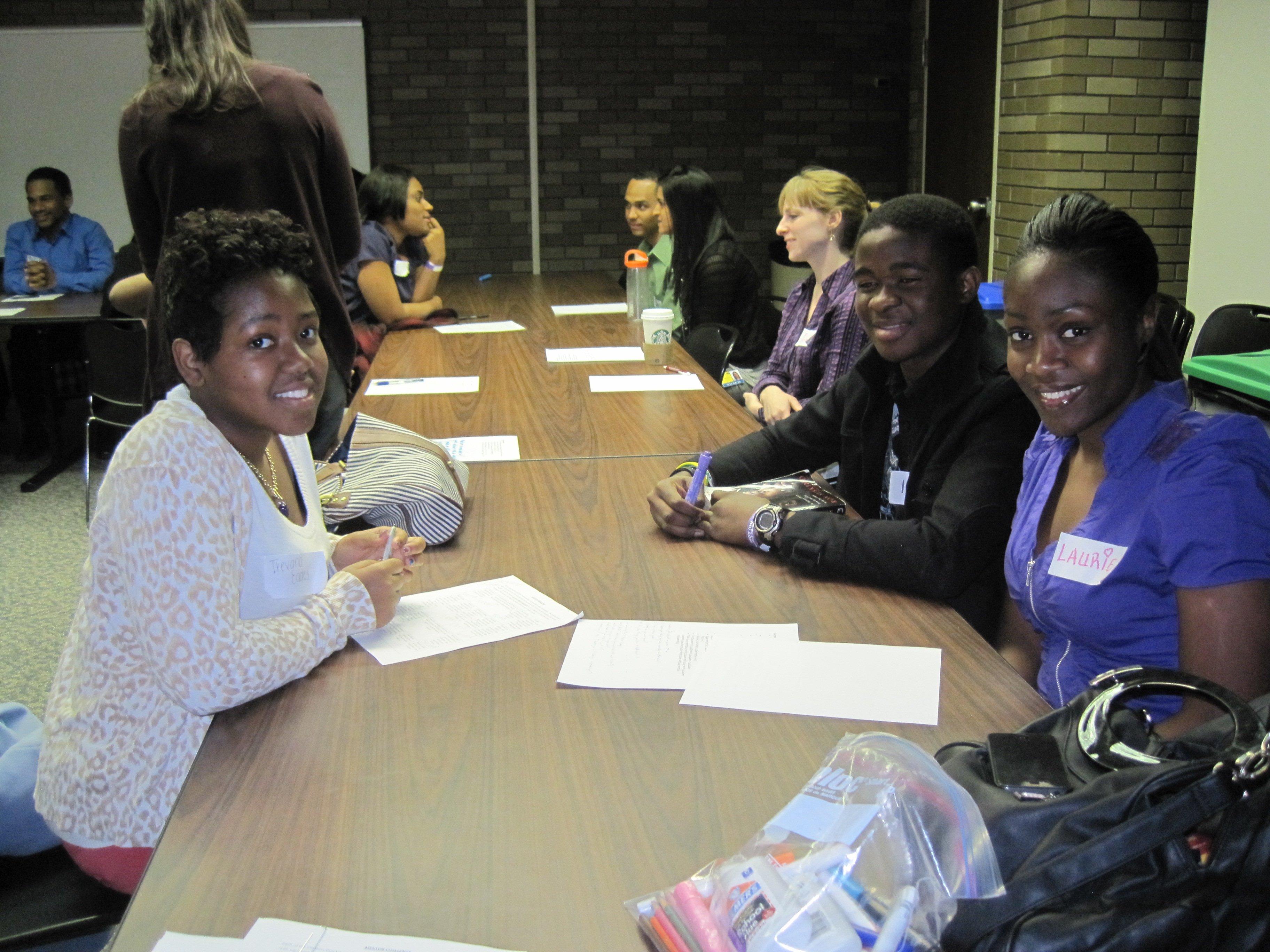
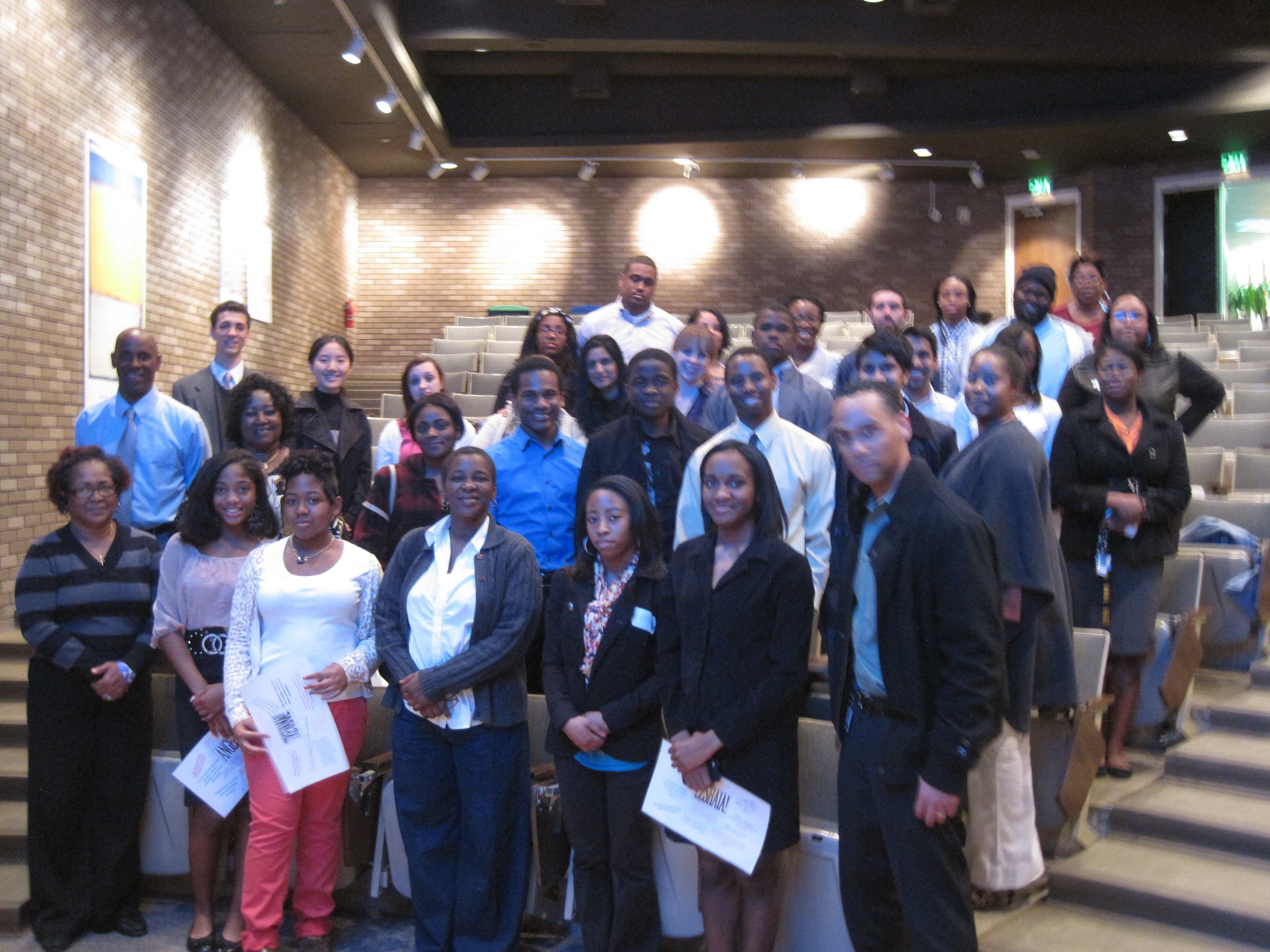
“I want to be a doctor.” Students across America say this phrase to their friends, family, and teachers everyday. Unfortunately, the zip code in which this dream is shared is an unforgiving determinant of whether or not the dream will come true. Only 10% of students growing up in low-income neighborhoods will graduate from college, and of those high-achieving students, only 7% will obtain a professional degree. Similarly, African-Americans, Latinos, and Native Americans currently make up more than 25% of the U.S. population but only 6% of practicing physicians. Minority physicians are more likely to practice in underserved communities and have unique perspectives on how to improve our health care system. Ultimately, increasing the diversity of the physician workforce is the best way to eliminate health care disparities.
MERIT was founded on the belief that a student can be placed on a trajectory to medical school through four foundational pillars: “igniting the fire” or strong passion to pursue medicine; “illuminating the path” one must take to become a doctor; “creating a toolkit” of study habits, organizational skills, and mindsets; and “sustaining the desire” to succeed in this rigorous career path through a close-knit community of scholars, mentors, and teachers.
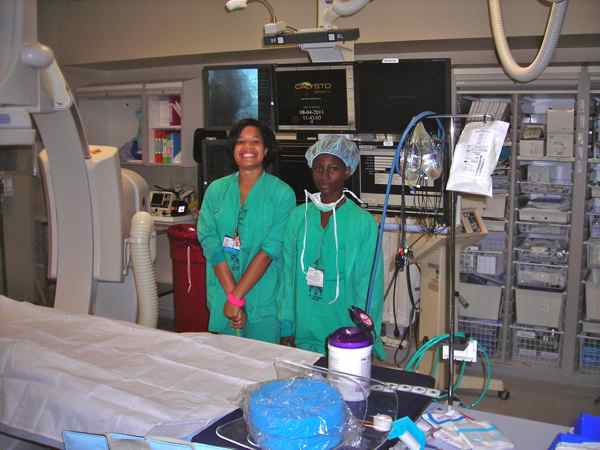
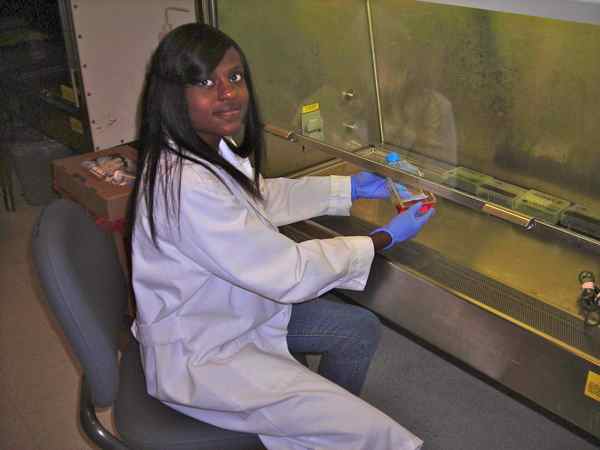
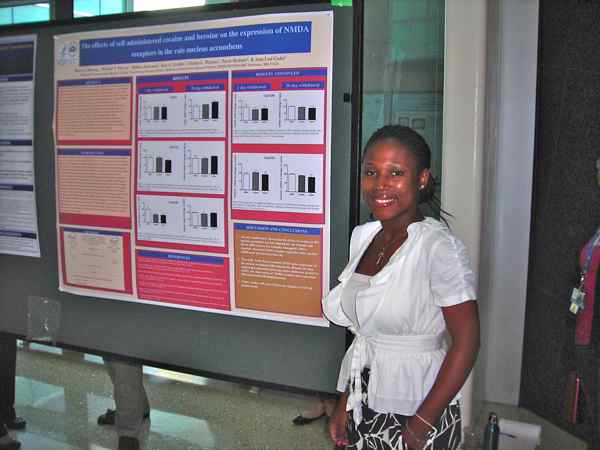
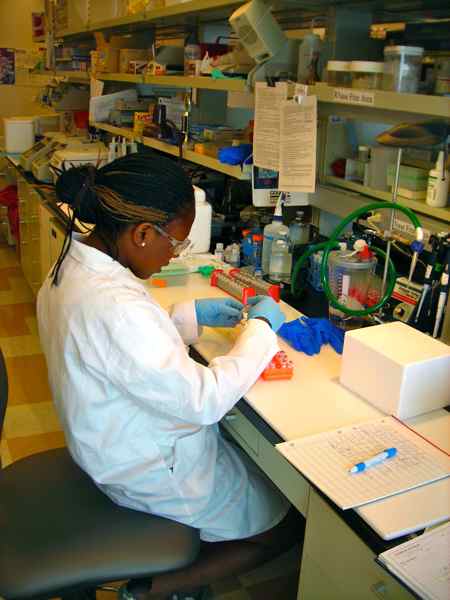
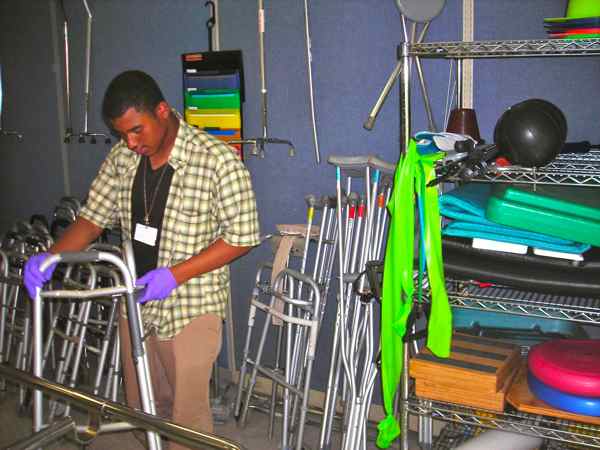
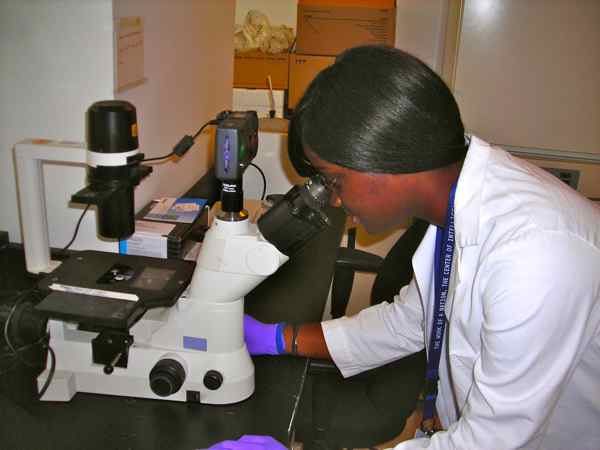
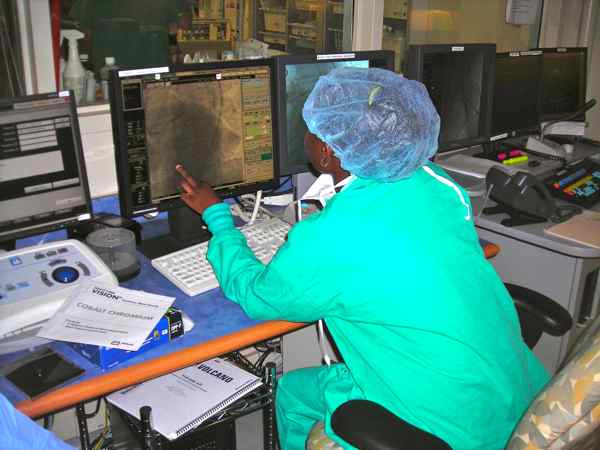
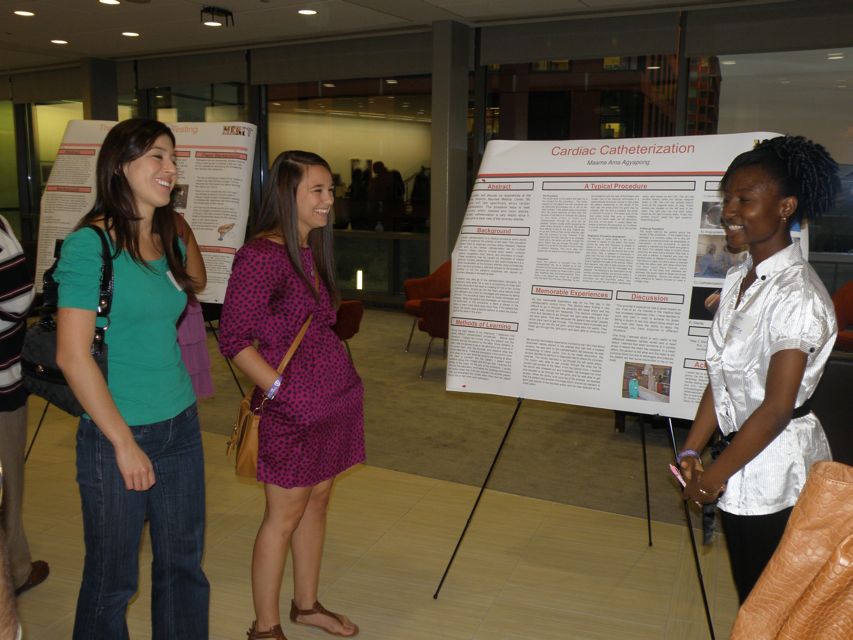
Scholars complete summer internships designed to fuel their passion for medicine. Sophomores spend eight weeks completing four rotations in a community hospital while juniors work on a biomedical research project. Scholars gain concrete knowledge and skills, but thanks to two mentors personally guiding each scholar, they also gain important social and cultural capital. Transformations occur because we challenge each student to work impossibly hard and to value each new experience. When MERIT scholars enter college, they are ahead at even the most selective institutions.
Scholars understand that their role as future physicians is fundamentally one of service. This perceptual development can be partially attributed to an increased awareness of health care disparities. MERIT recruits Baltimore City teachers and public health students from the Johns Hopkins Bloomberg School of Public Health who plan and execute lessons focused on the inequities of America’s health care system. Lessons include article discussions, community service projects, and shadowing in free clinics. As students recognize the problems are systemic, they become passionate about working to change the system from within.
MERIT’s efforts have not gone unnoticed. Baltimore City Public Schools recently featured our scholars on “Great Kids Up Close”, a television program that shares student success stories with the community. Johns Hopkins Medicine wrote a story on Shanquel, a scholar investigating addiction at the National Institute on Drug Abuse. Contributions from individuals and foundations ensure that every scholar has a paid summer internship. In addition, we recently trained the 100th MERIT volunteer, a tutor who will work to ensure junior scholars maximize their SAT scores. Our inclusive and expanding community amplifies our impact with ripple effects across the city. However, we recognize that true success can only be achieved in the long-term. In the face of tremendous odds, we are tremendously optimistic.
2 comments
Ellen Mains • about 14 years ago
This program is the result of dedicated folks who see first hand what ideas to help people can do. MERIT helps high school students feel good about themselves and what they can accomplish for and with the help of others. It's a wonderful program that should have recongnition and funding. elm
Katherine Guthrie • about 14 years ago
Wow- so impressed with everyone in the Merit program-