
Education - VISTA - Partners in Adolescent Lifestyle Support (PALS)

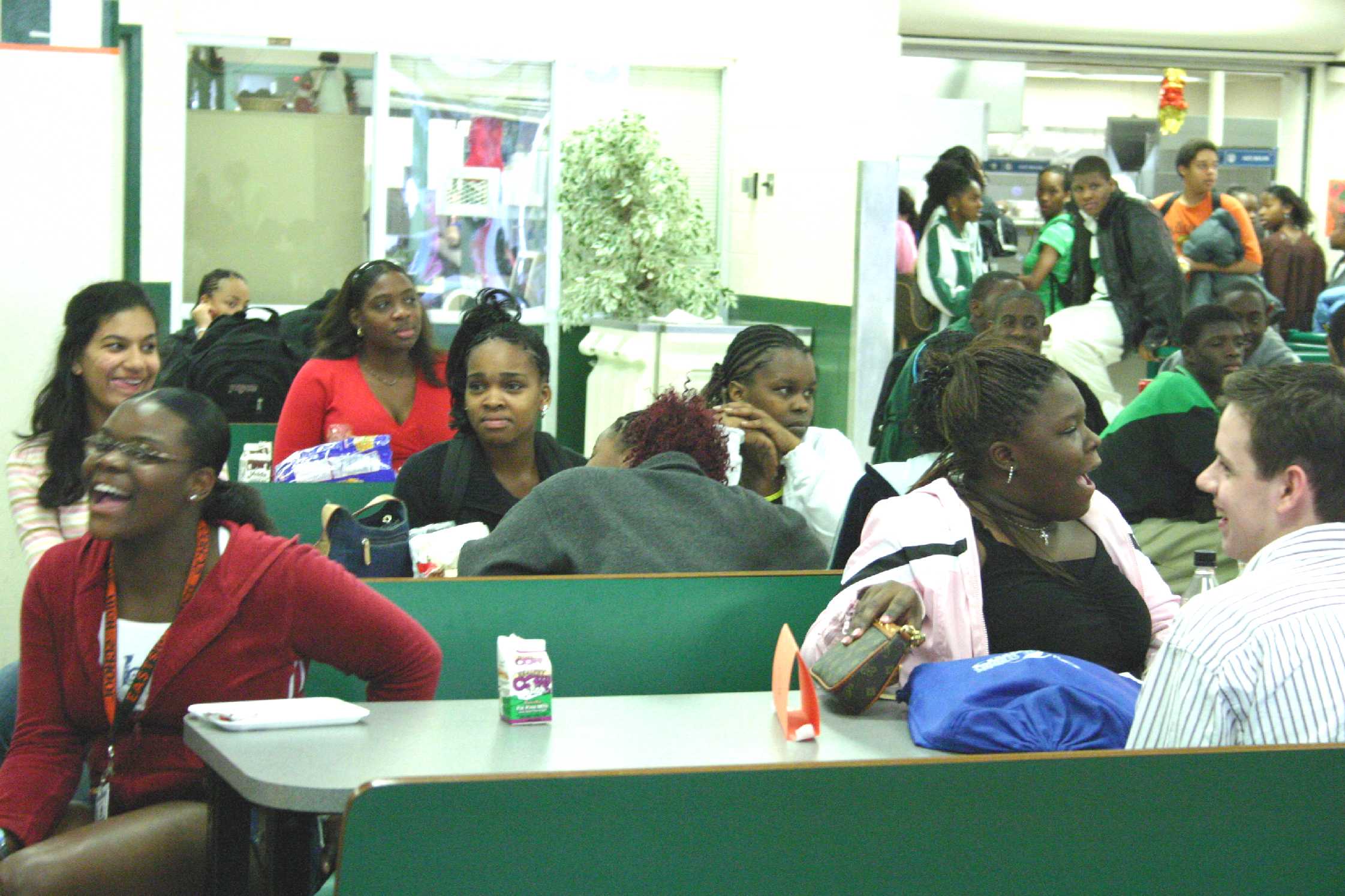
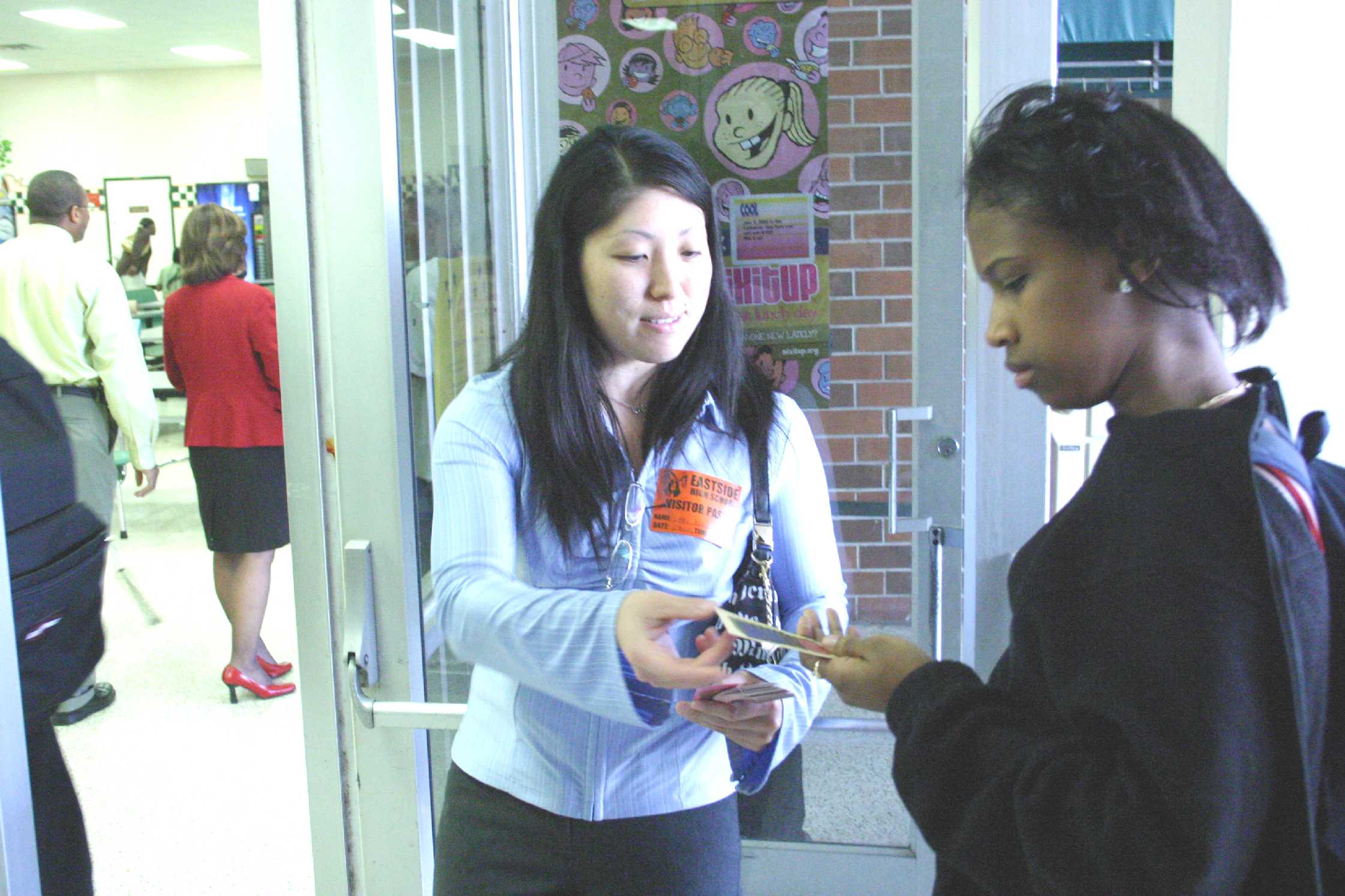
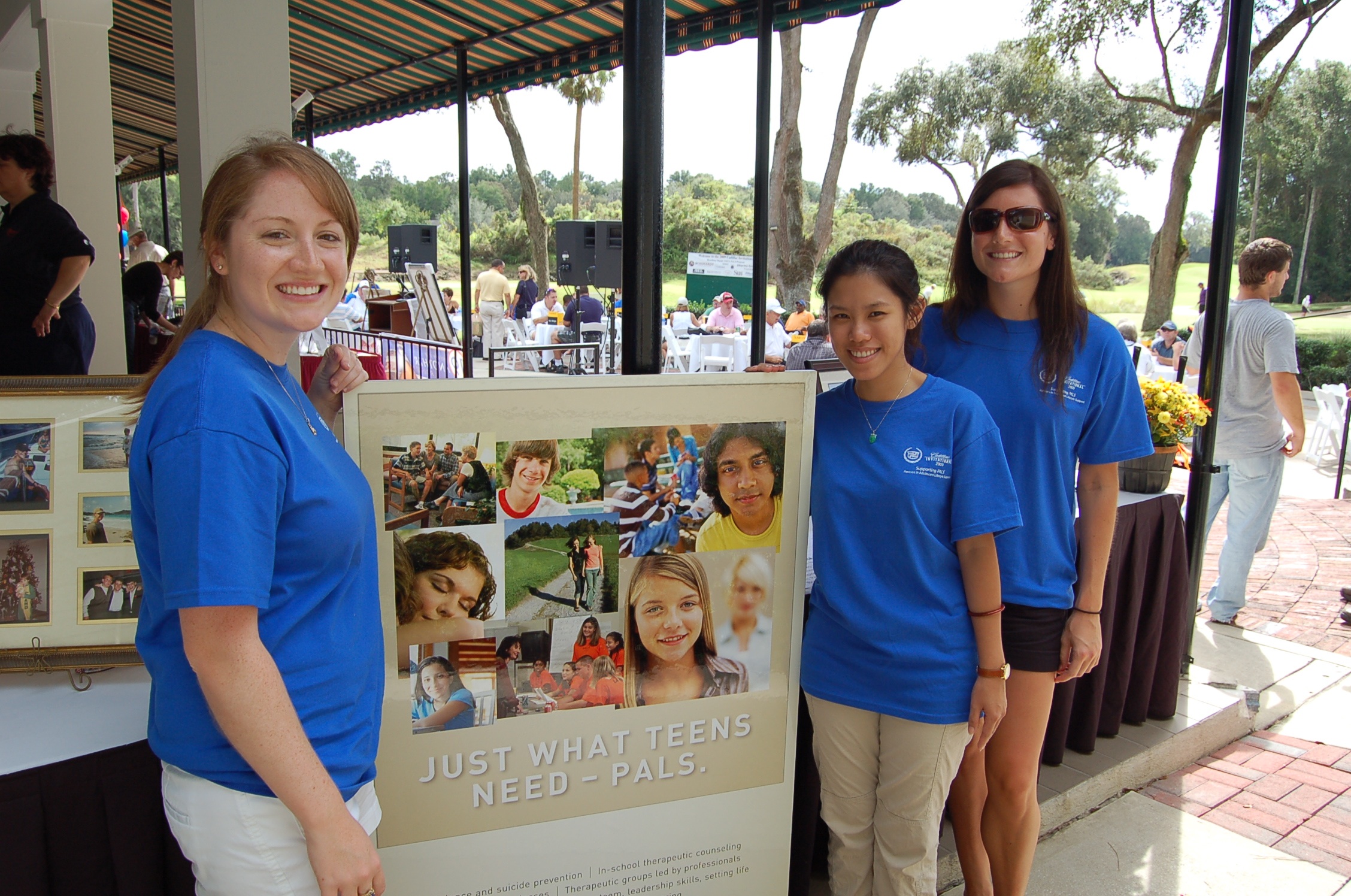
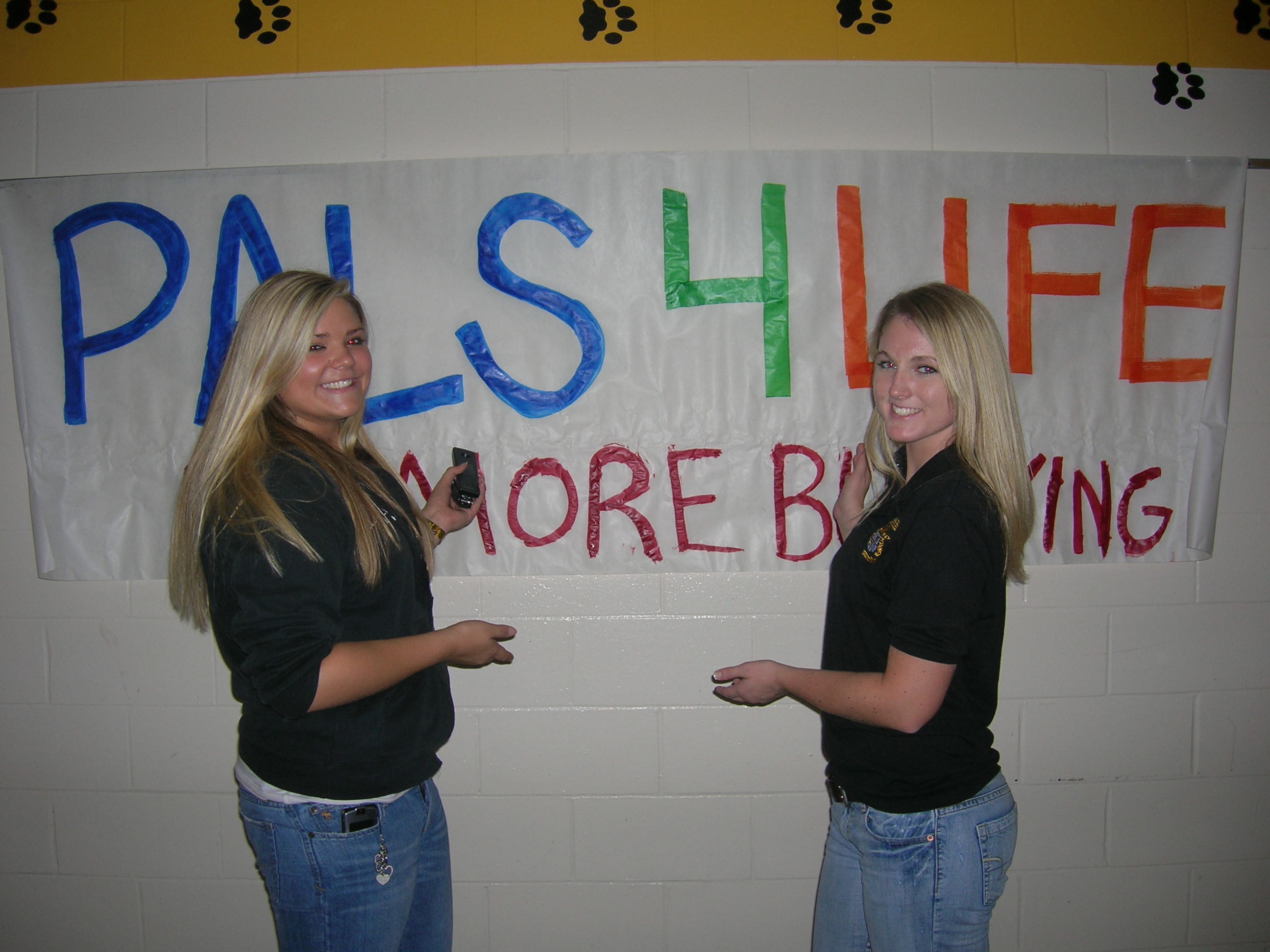
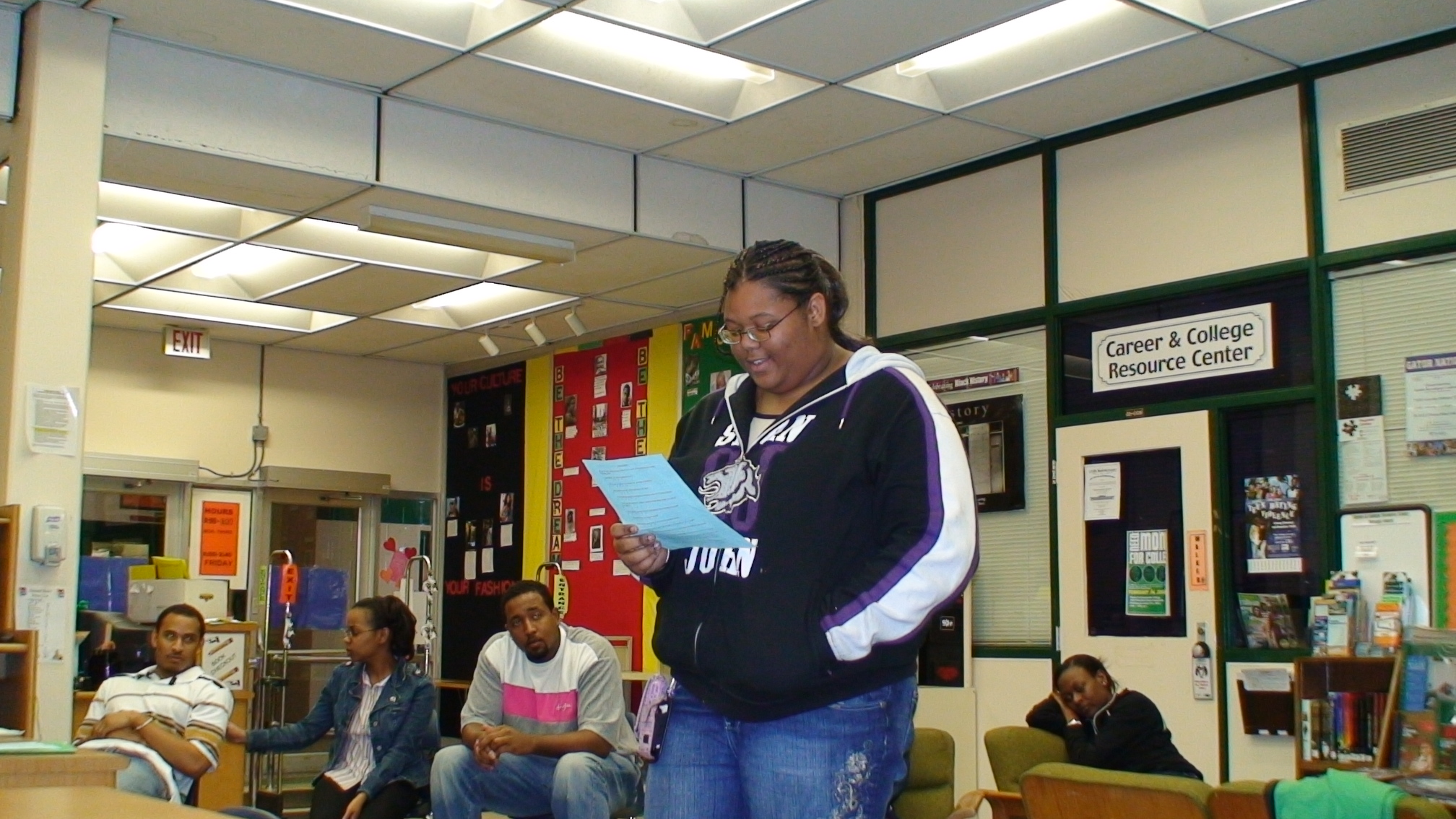
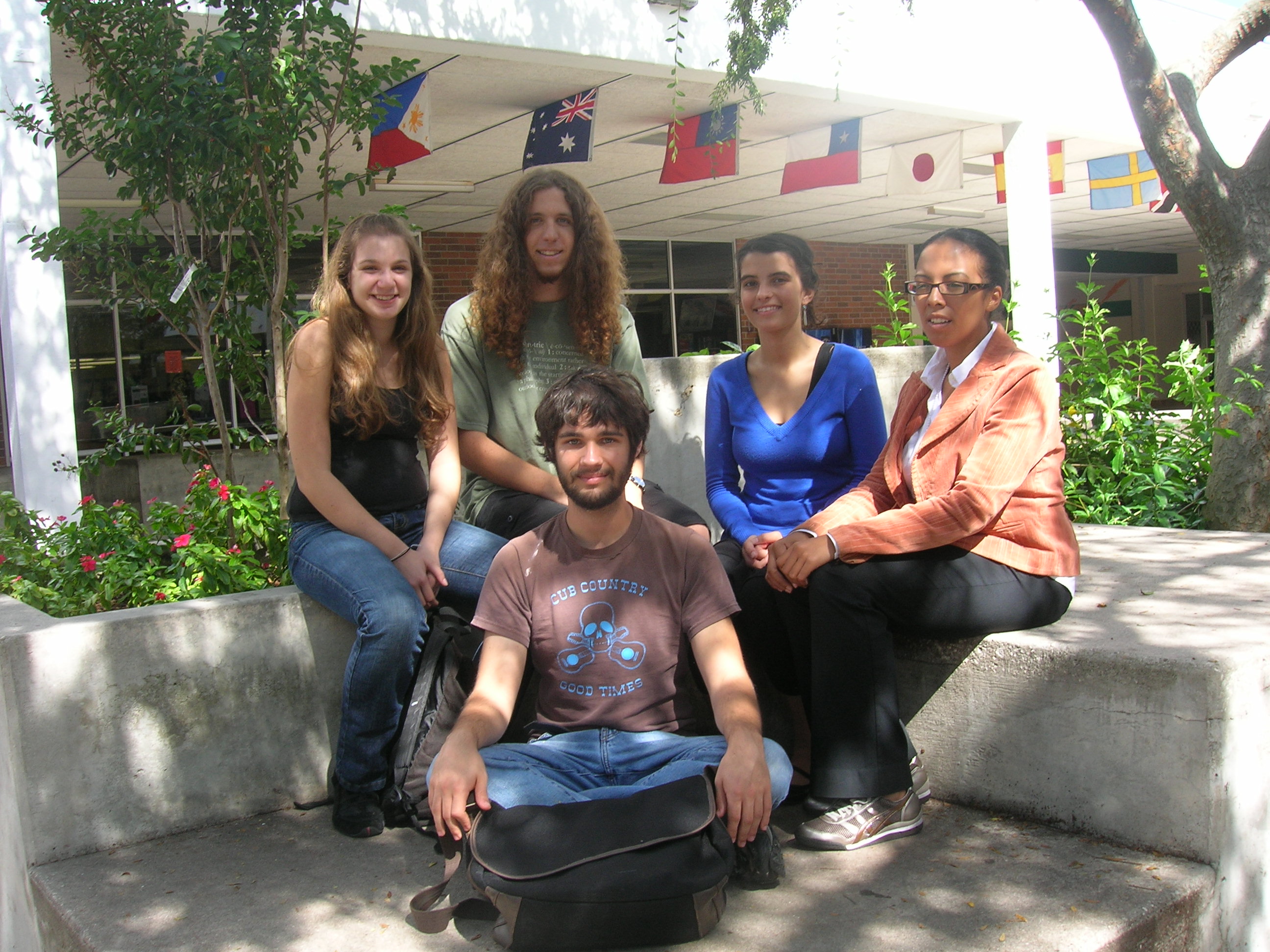
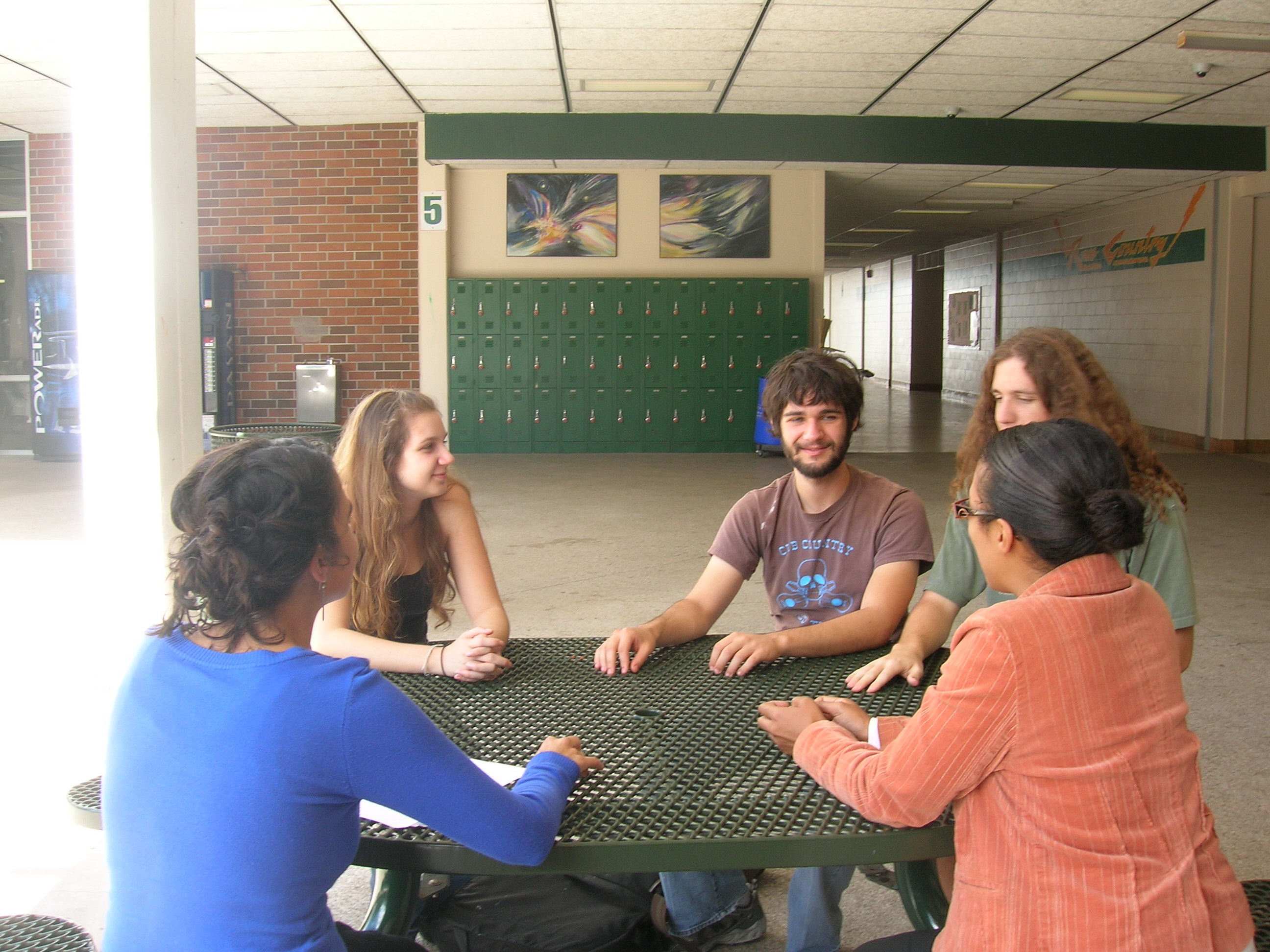
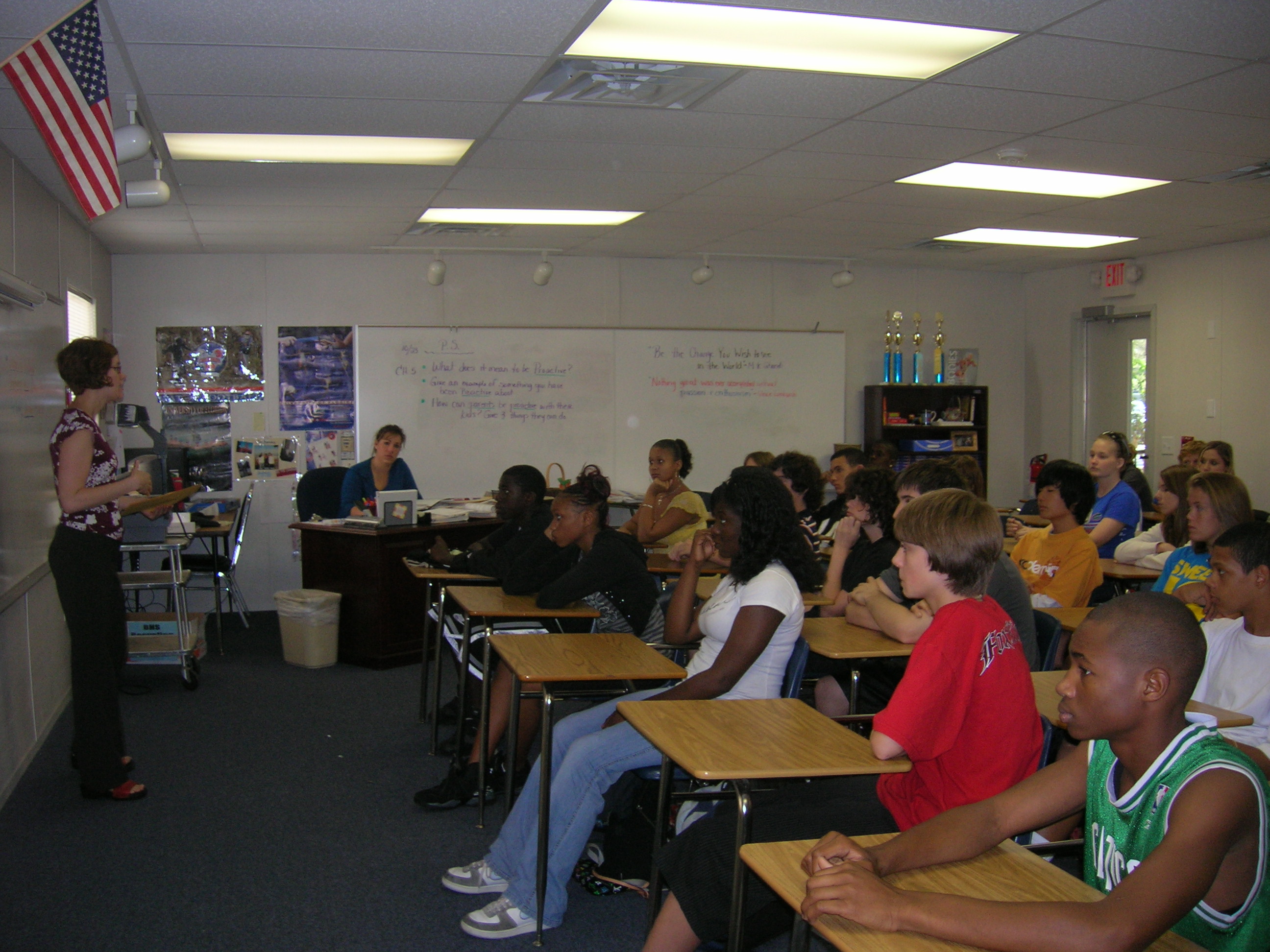
Strategy Category: Education Partners in Adolescent Lifestyle Support (PALS) is a Nobel prize nominated school based multidisciplinary coordinated program, the purpose of which is to increase academic engagement, motivate for success, and prevent violence and drug abuse among the teen population in the schools as well as foster an altruistic atmosphere where diversity is supported and mental health issues are addressed. The problem with most teen retention programs is that they deal with academic success and retention in isolation, concentrating only on tutoring or after school programs. PALS takes the entire sociological milieu into consideration with the belief that retention and success involves the emotional state of the teen as well as the support they receive from their peers and community. For this purpose, three large institutions (University of Florida departments of Psychology, Shands Healthcare, and Alachua County school system) have joined hands with the fiscal support of the business community to implement this all inclusive program. This is achieved through peer counseling classes, retention counseling and programs, anti-bullying campaigns, and therapeutic groups led by professionals and peers. The uniqueness of this program involves the fact that both leaders and high-risk teens are integral parts of the program. This program creates a win-win situation. The program benefits the schools in providing additional resources to an overloaded guidance system, increased retention, and reduction of violence and substance abuse. It will benefit healthy youth in providing understanding of disadvantaged, high risk youth. Benefits to emotionally distressed, and/or high-risk children/adolescents will be academic retention, an enhanced sense of self-esteem, a feeling of belonging, and an increased network of resources. As the program is designed to be self-perpetuating, the youth leaders trained will be able to assist in training others and the impact of the program will thus be broadened. The at-risk youth may move to the teen leader role after significant progress in the program. Lifestyle support is provided by a team of peers and professionals through the following avenues:
- Focus groups are conducted by mental health professionals. Participants include teen leaders who have exhibited excellent social/academic skills and adjustment as well as teens, who have had difficulty due to emotional distress, substance issues, and violence/bullying.
- Structured avenues of social interaction are arranged in order to bring together those teens in need of assistance together with those teens leaders reaching out to help. The teen leaders gain enhancement of character attributes such as empathy, compassion, and an understanding of human diversity. The teens experiencing emotional difficulties and teens at risk for dropping out of school will gain a sense of belonging, self-esteem, and PALS.
- Educational programs concerning motivation for success, adolescent mental illness as well as violence prevention is presented to the school populations.
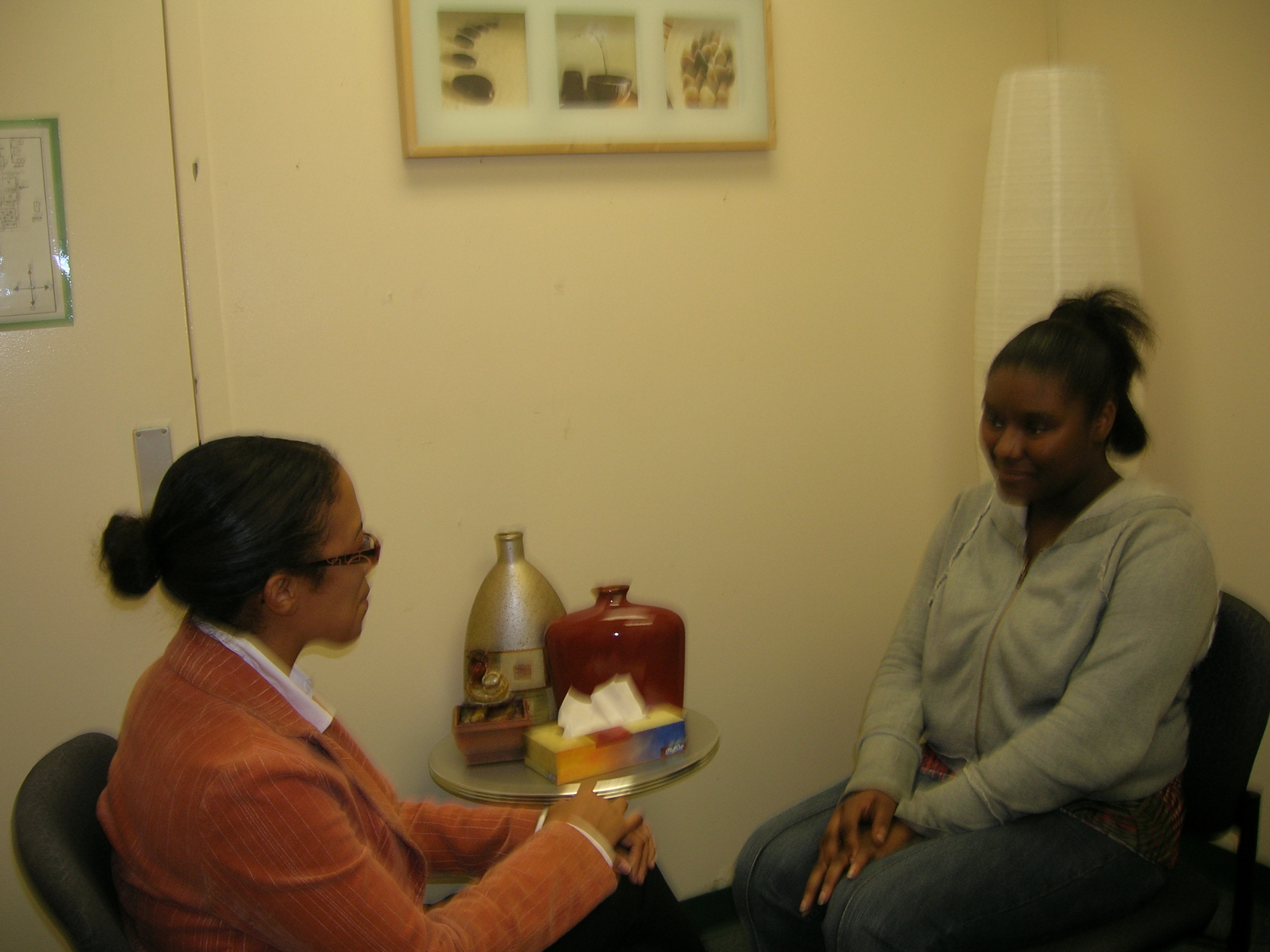
- Counseling support through mental health professionals as well as support for guidance counselors in the schools is provided at no charge to the student. This will provide care at the teen's home base of the school rather than depending on the family's resources and/or motivation.
0 comments